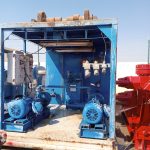
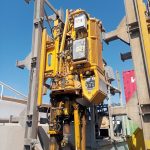
In a competitive market where precision and reliability are non-negotiable, finding a supplier that aligns with your requirements is paramount. Join us as we delve into the essential factors to consider, ensuring you make an informed decision that propels your ventures to new heights. Stay ahead of the curve by understanding the nuances of selecting the best oil field equipment supplier for your specific needs.
Whether you’re a seasoned player or just venturing into the oil industry, this guide equips you with the knowledge to navigate the supplier selection process with confidence and precision.
Importance of choosing the right oil field equipment supplier
Selecting the right oil field equipment supplier is a critical decision that can significantly impact the efficiency and success of oil operations. In a sector where every aspect of the operation must run seamlessly, the choice of equipment supplier can dictate the pace and quality of production. A reliable supplier provides not only the necessary tools but also the expertise and support that enhance operational effectiveness. This foundational relationship is essential, as it influences everything from the initial setup of drilling operations to ongoing maintenance and emergencies.
The oil industry is characterized by its complex demands, and the right supplier can help navigate these challenges. Suppliers that understand the intricacies of the industry can offer tailored solutions, ensuring that equipment meets the specific requirements of each project. This understanding is crucial, as it allows for the selection of machinery that maximizes productivity while minimizing downtime. A proactive supplier often anticipates potential issues before they arise, providing a level of security and peace of mind that is invaluable in high-stakes operations.
Moreover, the wrong choice can lead to costly delays and operational inefficiencies. Subpar equipment can result in frequent breakdowns, increased maintenance costs, and unscheduled downtime. These issues not only affect profitability but can also tarnish a company’s reputation. Therefore, investing time and resources in choosing the right supplier is not just beneficial; it is essential for sustainable growth and success in the oil industry. The right partnership can foster innovation, enhance safety, and ultimately drive greater profitability.
Factors to consider when selecting an oil field equipment supplier
When it comes to selecting an oil field equipment supplier, several key factors should guide your decision-making process. First and foremost, it is crucial to evaluate the supplier’s experience and industry reputation. A supplier with a proven track record in the oil and gas industry is more likely to understand the unique challenges and requirements of your operations. Look for suppliers who have established themselves as reliable partners for other companies in similar situations, as this can serve as a strong indicator of their capabilities.
Another important factor is the range of equipment offered by the supplier. Depending on your specific needs, you may require a variety of equipment types, from drilling rigs to safety gear. A supplier that offers a comprehensive selection of products can simplify the procurement process, allowing you to source all necessary equipment from a single vendor. This consolidation can lead to better pricing, streamlined communication, and improved logistical efficiency, making it easier to manage your supply chain.
Finally, consider the supplier’s customer service and support. A partner that is easy to communicate with and responsive to your needs can make a significant difference in your operations. This includes not only the ease of obtaining quotes and placing orders but also the supplier’s willingness to provide technical support and guidance. In the high-pressure environment of oil operations, having a supplier that you can count on for assistance can be a game changer, ensuring that your projects stay on track and that any issues are resolved quickly.
Types of oil field equipment commonly supplied
The oil and gas industry relies on a wide array of specialized equipment to facilitate exploration, drilling, production, and transportation. Among the most common types of oil field equipment are drilling rigs, which are essential for accessing oil reserves located deep beneath the earth’s surface. These rigs come in various configurations, including land rigs and offshore rigs, each designed for specific drilling environments. Selecting the right type of rig is crucial, as it directly influences drilling efficiency and safety.
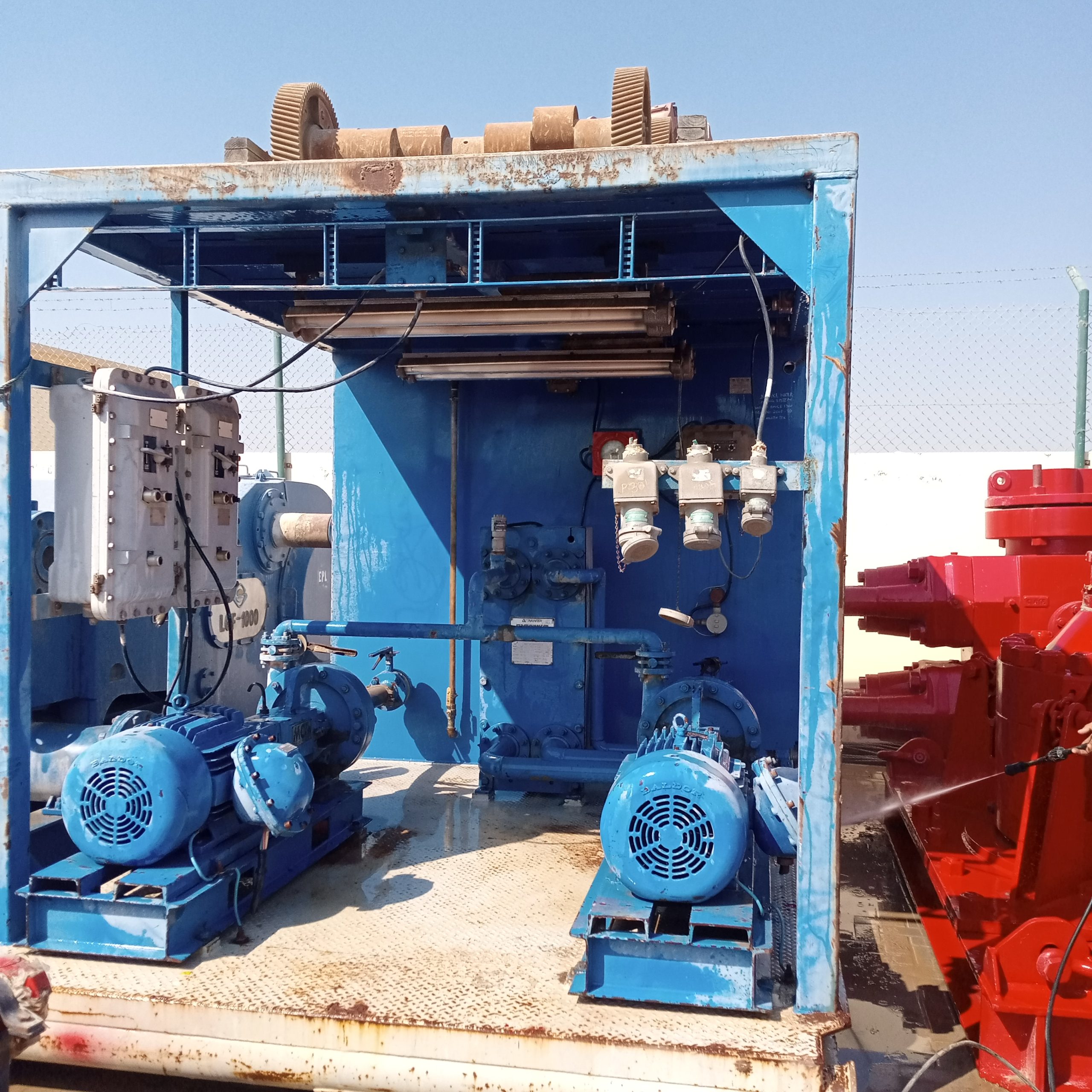
Another critical category of equipment includes pumps and compressors, which are vital for transporting oil and gas from the wellhead to processing facilities. These devices must be robust and reliable, capable of handling the high pressures and corrosive substances typically found in oil extraction processes. Additionally, companies often require storage tanks and separators to manage the produced fluids, ensuring that oil and gas are stored safely and efficiently before further processing or transportation.
Safety equipment is equally important in the oil field, encompassing everything from personal protective gear to safety systems designed to prevent accidents and spills. This includes items such as helmets, gloves, safety harnesses, and specialized tools for handling hazardous materials. A comprehensive supplier will not only provide the necessary equipment but will also ensure that it meets industry standards for safety and compliance, helping to protect both workers and the environment.
Evaluating the quality of oil field equipment
Quality is paramount when it comes to oil field equipment, as substandard tools can lead to catastrophic failures and safety hazards. Therefore, evaluating the quality of equipment from potential suppliers should be a top priority. One effective approach is to investigate the manufacturer’s reputation and the materials used in production. Reputable manufacturers often employ rigorous quality control processes and utilize high-grade materials that ensure the durability and reliability of their products. This level of scrutiny can help you identify suppliers who prioritize quality over cost-cutting measures.
Additionally, certifications and compliance with industry standards can serve as indicators of quality. Equipment that meets or exceeds regulations set by agencies such as the American Petroleum Institute (API) or the International Organization for Standardization (ISO) is typically more reliable. These certifications often require adherence to strict testing and manufacturing processes, which can provide you with added confidence in the supplier’s offerings. Always ask potential suppliers about their quality assurance processes and whether their products have been independently tested.
Furthermore, conducting on-site visits or requesting demonstrations can offer invaluable insights into the equipment’s performance and durability. Observing the equipment in action allows for a firsthand assessment of its capabilities and a better understanding of how it will perform in your specific operational context. Engaging with suppliers who are willing to provide demonstrations or arrange visits to their facilities can also signal their commitment to transparency and customer satisfaction, further fostering trust in your relationship.
Ensuring compliance and safety standards with your supplier
In the oil and gas industry, compliance with safety regulations and industry standards is non-negotiable. Choosing a supplier that prioritizes these aspects is essential to protect your operations and personnel. Start by verifying whether the supplier adheres to local, national, and international regulations governing oil field operations. This includes environmental regulations, safety protocols, and operational guidelines. A supplier that invests in compliance demonstrates a commitment to responsible practices, which is vital in today’s regulatory landscape.
Additionally, inquire about the supplier’s safety programs and certifications. Look for suppliers who have implemented comprehensive safety management systems and have received industry-recognized safety certifications. This not only reflects their commitment to safety but also their ability to provide equipment that meets stringent safety requirements. Suppliers that prioritize safety often provide training and resources to help clients maintain compliance on the job site, further enhancing your operational safety.
Moreover, consider the supplier’s history of safety incidents and their approach to addressing safety concerns. A supplier with a transparent track record and a proactive approach to risk management can be a valuable partner in maintaining safe operations. Requesting references or case studies can provide insights into how the supplier has handled past safety challenges and their overall commitment to continuous improvement in safety practices. Establishing a partnership with a supplier that emphasizes safety and compliance will help mitigate risks and contribute to the long-term success of your operations.
Reviews and testimonials from other clients
When evaluating potential oil field equipment suppliers, one of the most effective ways to gauge their reliability and performance is through client reviews and testimonials. Feedback from other customers provides invaluable insights into the supplier’s strengths and weaknesses, allowing you to make a more informed decision. Look for testimonials that highlight the supplier’s responsiveness, product quality, and overall customer satisfaction. A high level of positive feedback can indicate a supplier that consistently meets or exceeds expectations.
In addition to formal testimonials, consider seeking out independent reviews on industry forums or platforms that specialize in oil and gas services. These reviews often offer a candid perspective on the supplier’s performance and can reveal important details that may not be present in curated testimonials. Engaging with other industry professionals to discuss their experiences can also provide a broader understanding of the supplier’s reputation in the market.
Finally, do not hesitate to ask potential suppliers for references from their existing clients. Speaking directly with other companies that have worked with the supplier can provide firsthand insights into their reliability and service quality. This direct communication can uncover information about the supplier’s ability to meet deadlines, handle emergencies, and provide adequate support throughout the procurement process. A supplier with a solid reputation backed by robust client testimonials is more likely to be a trustworthy partner for your oil field equipment needs.
Comparing prices and negotiating contracts
Price is undoubtedly an important factor in the selection of an oil field equipment supplier, but it should not be the sole consideration. To ensure that you receive the best value, it’s essential to compare prices across multiple suppliers while taking into account the quality and service levels offered. A lower price may be tempting, but it could come at the expense of equipment reliability or customer support, ultimately costing more in repairs and downtime. Therefore, a comprehensive analysis that considers both cost and quality is crucial in making an informed decision.
When negotiating contracts, it is important to be transparent about your needs and expectations. Establish clear terms regarding pricing, delivery schedules, and payment options. Discuss potential discounts for bulk orders or long-term contracts, as many suppliers are open to negotiation in order to secure ongoing business relationships. Additionally, be sure to clarify warranty terms, return policies, and any other conditions that could impact your relationship with the supplier.
Moreover, consider creating a partnership approach rather than a purely transactional relationship. By fostering open communication and collaboration, you can negotiate terms that benefit both parties. A supplier that feels valued and understood is more likely to go the extra mile to meet your needs. Establishing a strong working relationship can lead to better pricing, improved service, and a more reliable supply chain, ultimately enhancing the success of your operations.
After-sales support and maintenance services
After-sales support and maintenance services are crucial components of any equipment procurement strategy in the oil and gas industry. The complexity of oil field operations means that equipment is subject to wear and tear and may require ongoing maintenance to ensure optimal performance. When selecting a supplier, it is essential to evaluate their after-sales services, including the availability of technical support, maintenance services, and spare parts. A supplier that offers robust support can significantly reduce downtime and enhance the longevity of your equipment.
Technical support should be readily accessible, with knowledgeable staff available to assist you with any issues that may arise. This support can include troubleshooting, repairs, and guidance on best practices for equipment use. A supplier that invests in training and resources for their clients demonstrates a commitment to ensuring that you can operate your equipment safely and effectively. This level of support is invaluable, especially in emergency situations where quick resolutions are necessary to avoid costly delays.
Furthermore, consider the supplier’s warranty and service agreements. A comprehensive warranty not only protects your investment but also signifies the supplier’s confidence in their products. Understanding the terms of service agreements, including response times and coverage for maintenance, can help you gauge the level of commitment the supplier has to their clients. An effective after-sales support system is a strong indicator of a supplier’s reliability and can provide peace of mind as you navigate the complexities of oil field operations.
Conclusion: Making the best choice for your oil field equipment supplier
In conclusion, the process of selecting the right oil field equipment supplier is a multifaceted endeavor that requires careful consideration of various factors. From evaluating the supplier’s reputation and experience to assessing the quality and range of equipment offered, each step of the decision-making process plays a vital role in ensuring your operations run smoothly. The importance of compliance with safety standards, the value of client reviews, and the need for strong after-sales support cannot be overstated in this competitive industry.
Taking the time to conduct thorough research and engage with potential suppliers will ultimately lead to a partnership that enhances your operational efficiency and profitability. By prioritizing quality and reliability, you can mitigate risks and set the stage for long-term success. Remember, the right supplier is not just a vendor but a partner that contributes to your overall strategy and growth in the oil field sector.
As you embark on this journey, leverage the insights provided in this guide to make an informed and confident choice. By aligning your operational needs with a supplier that demonstrates a commitment to excellence, you can fuel your success and navigate the challenges of the oil and gas industry with greater ease and confidence. Your choice of supplier can shape the future of your operations, so choose wisely and pave the way for sustainable growth and achievement in your endeavors.